
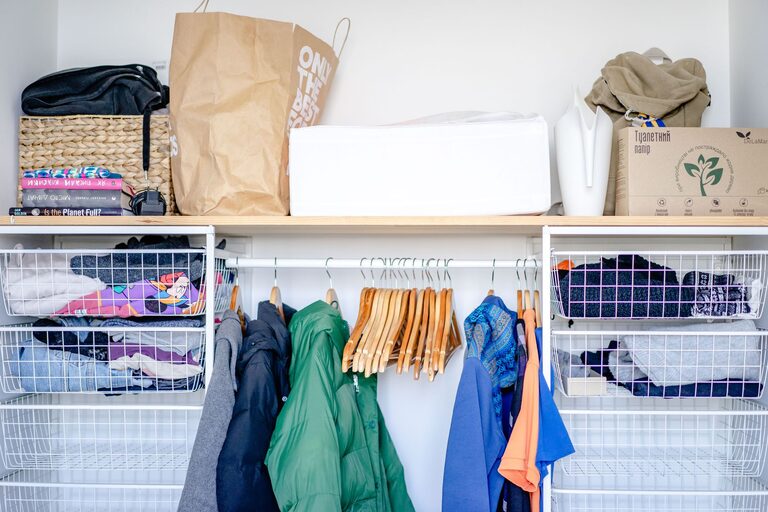
Storing seasonal clothes efficiently is a key step to keeping your living space organized and your wardrobe in great condition year-round. Whether you’re packing away bulky winter coats or delicate summer dresses, proper storage helps save space, protect your garments, and make the next season’s wardrobe change a breeze. In this guide, we’ll explore practical tips, storage solutions, and care advice to make storing seasonal clothes easy and effective.
Why Efficient Seasonal Storage Matters
Switching out your wardrobe each season without a plan can lead to cluttered closets, forgotten items, and damaged clothes. Efficient storage:
– Maximizes space, freeing up your closet for current items
– Protects fabrics from damage caused by moisture, pests, and dust
– Makes it easier to find and access your clothes when needed
– Extends the life of your garments
Keeping these benefits in mind will motivate you to invest time in a good storage routine.
Preparing Clothes for Storage
Before packing away your clothes, a little preparation can go a long way in preserving them.
Wash and Dry Thoroughly
Always wash or dry clean clothes before storing. Dirt, sweat, and stains can attract insects or cause fabric damage over time. Make sure your items are completely dry to avoid mold and mildew.
Repair and Sort
Check for loose buttons, broken zippers, or small tears and fix them before storing. Sort clothes by type or fabric weight—for example, separate heavy sweaters from lightweight tops—to make unpacking easier.
Use Fabric Fresheners
Adding a natural fabric freshener like lavender sachets or cedar blocks can help keep your clothes smelling fresh and repel moths without chemicals.
Choosing the Right Storage Containers
Selecting appropriate storage containers is crucial for protecting your clothes.
Plastic Bins with Sealed Lids
Clear plastic bins with airtight lids keep out dust, moisture, and pests. Opt for stackable sizes to save space. Avoid plastic bags, which can trap moisture and cause mold.
Vacuum-Sealed Bags
For bulky items like winter coats and thick sweaters, vacuum-sealed bags reduce volume significantly. However, avoid over-compressing delicate fabrics that might lose shape.
Fabric Storage Bags
Breathable fabric bags are ideal for natural fibers or delicate garments that need air circulation. They also protect against dust while allowing some airflow.
Drawer Dividers and Shelf Organizers
If you’re storing clothes in drawers or on shelves, use dividers and organizers to keep everything neat and separated.
Organizing Your Storage Space
Where and how you store your clothes matters for easy access and garment care.
Clean and Dry Location
Choose a cool, dry, and well-ventilated area like a closet, under the bed, or a designated storage room. Avoid basements or attics prone to temperature fluctuations and humidity.
Label Everything
Use labels on bins and bags specifying the contents inside—like “Winter Sweaters” or “Summer Dresses.” This saves time when searching for specific items.
Rotate Seasonally
Store current season clothes in the most accessible areas, moving off-season items to less accessible spots. This keeps your daily routine smooth.
Avoid Overpacking
Give your clothes room to breathe; overpacking can cause wrinkles, creases, and fabric damage.
Special Tips for Different Types of Clothes
Different fabrics and clothing types have unique storage needs.
Knitwear and Sweaters
Fold sweaters instead of hanging to prevent stretching. Store flat in bins or shelves with cedar blocks to keep moths away.
Jackets and Coats
Use sturdy hangers for coats. For long-term storage, consider garment bags that allow airflow but protect from dust.
Delicate Fabrics
Silk, lace, and embellished items should be wrapped in acid-free tissue paper and stored in breathable bags.
Shoes and Accessories
Clean shoes before storing. Use shoe boxes or clear containers. Store belts, hats, and scarves in divided organizers to prevent tangling.
Maintaining Stored Clothes
Checking on your stored clothes periodically helps catch any issues early.
– Air out bins every few months to prevent stale odors.
– Check for signs of pest damage like holes or larvae.
– Refresh cedar blocks or replace sachets as needed.
Final Thoughts
Efficiently storing your seasonal clothes doesn’t have to be complicated. With thoughtful preparation, the right storage solutions, and an organized system, you can protect your wardrobe and maintain a tidy home. A little time invested now means less stress and more enjoyment when it’s time to switch seasons again.
Try these tips and discover how simple seasonal clothing storage can improve your space and your style. Happy organizing!
